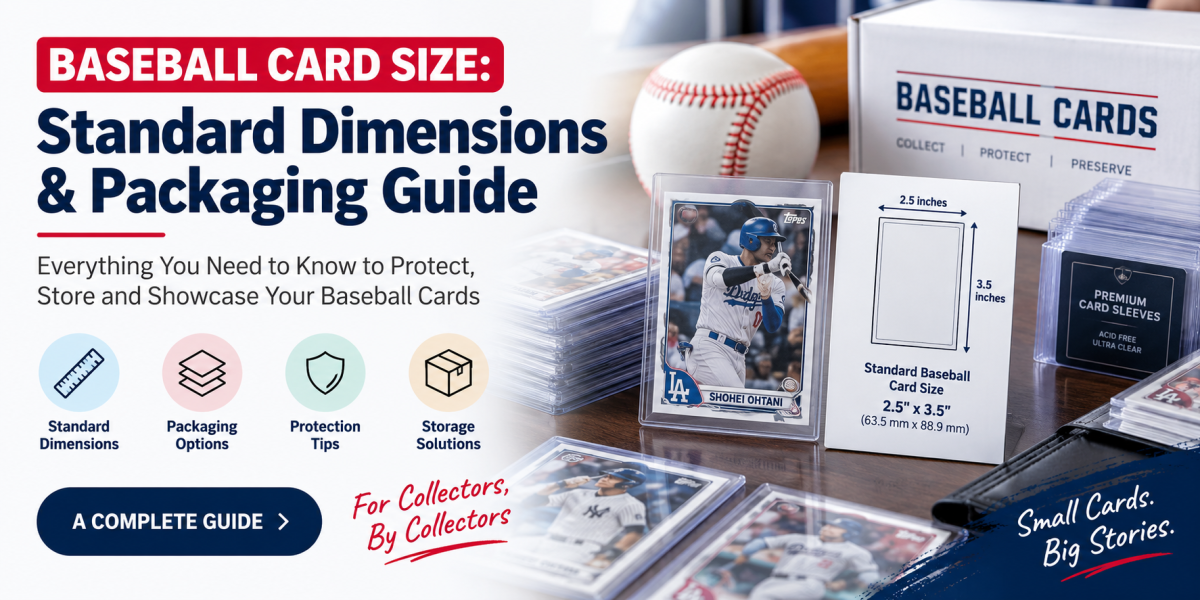
Ever wondered what size is a baseball card when choosing sleeves, boxes, binders, or display cases? Knowing the correct baseball card size makes collecting, storing, shipping, and displaying cards much easier. Most current baseball cards adhere to a standard measurement that has been used for decades. However, some vintage, promotional, mini, oversized, and jumbo cards come in different sizes. In this guide, we’ll explain standard baseball card dimensions, measurements, unusual card sizes, and packaging options.
Why Do Baseball Card Size Dimensions Matter?
Well keep in mind the baseball card size and dimension is most important while buying storage or packaging. A card that fits properly in its sleeve or box is less likely to bend, scratch or get damaged.
The standard size also makes it easier for collectors to organize their cards. Most sleeves, binders, pages, holders, and storage boxes are made to fit the common trading card format.
Using the correct size of a baseball card can help you:
- Choose the right protective sleeves
- Find suitable storage boxes
- Keep cards organized
- Protect cards during shipping
- Create neat displays
- Design custom packaging with the right measurements
Impact on Card Design
Card size also matters when designing the artwork. A fixed card format gives designers enough space to arrange player photos, statistics, team logos, names, and other details.
When cards have similar dimensions, collections also look more organized. This is especially useful when collectors keep cards from different years, teams, and sets together.
What is the Standard Baseball Card Size?
So, what size is a baseball card in the most common format?
The standard baseball card measures
2.5 inches wide × 3.5 inches tall
The standard size works well for:
- Card sleeves
- Top loaders
- Trading card binders
- Storage boxes
- Display cases
- Grading holders
- Custom card packaging
For businesses and collectors, MyBoxPrinter helps to create packaging that fits cards properly and gives them extra protection.
Baseball Card Size in Inches
2.5 × 3.5 inches is the most well recognized baseball card size. This small format is manageable and large enough for crucial information.
In Centimeters, this is Approximately
Well baseball cards are typically 6.35 × 8.89 cm in size. This measurement is useful when buying customized packaging from a provider.
Therefore, a minor difference in the box dimension affects how easily cards slide in and out, especially when protective sleeves or holders are used.
Measurement In Millimeters
63.5 mm × 88.9 mm
These baseball card size dimensions are widely used for modern trading cards and make it easy to find compatible storage and packaging.
Baseball Card Size in Pixels
Physical cards and digital card designs use different measurements. If you are creating artwork for a digital baseball card, pixels become more important.
A common digital design uses 750 × 1050 pixels, which keeps the same general 5:7 aspect ratio as the physical card.
However, the exact pixel dimensions can vary depending on:
- Printing requirements
- Image resolution
- Design software
- Online platform requirements
- Printer specifications
For professional printing brands should follow the printer’s required file size and resolution instead of relying on a fixed pixel measurement.
Why Does Card Thickness Matter?
The thickness of the baseball card is as important as knowing the card size dimensions. A box designed for thin cards may not work well for the thick premium cards. Before ordering packaging, measure both the length and width of the card, along with its thickness.
Why Does Baseball Card Size Matter?
Knowing the correct size of a baseball card helps collectors and businesses make better choices.
Better Storage
The right dimension helps you choose sleeves, binders, top loaders, sports card pages, and storage boxes that fit properly.
Extra Protection
Good packaging can help protect cards from:
- Bending
- Scratches
- Dust
- Moisture
- Crushing
- Damage during shipping
Easier Shipping
When selling cards online, the right box size can help reduce unnecessary packaging space while keeping the cards secure during delivery.
Better Display
Correct measurements also make it easier to choose frames, stands, and display cases for your collection.
Choosing Baseball Packaging for Your Cards
If you sell baseball cards or create your own card products, packaging can add both protection and visual appeal.
Key Features to Consider
Material
Use durable material because it keeps the cards safe while they are being shipped and stored. In addition, cardboard and kraft are common materials used for packaging projects.
Card Capacity
Decide how many cards the box needs to hold. You may need a small box for individual cards or a larger box for a complete collection.
Custom Printing
You can add your logo, brand name, artwork, player graphics, or other design elements to create branded packaging.
Finishing Options
It depends on your design or you can consider:
- Matte coating
- Gloss coating
- Foil stamping
- Embossing
- Debossing
- Custom die-cut shapes
Odd-Sized Baseball Cards
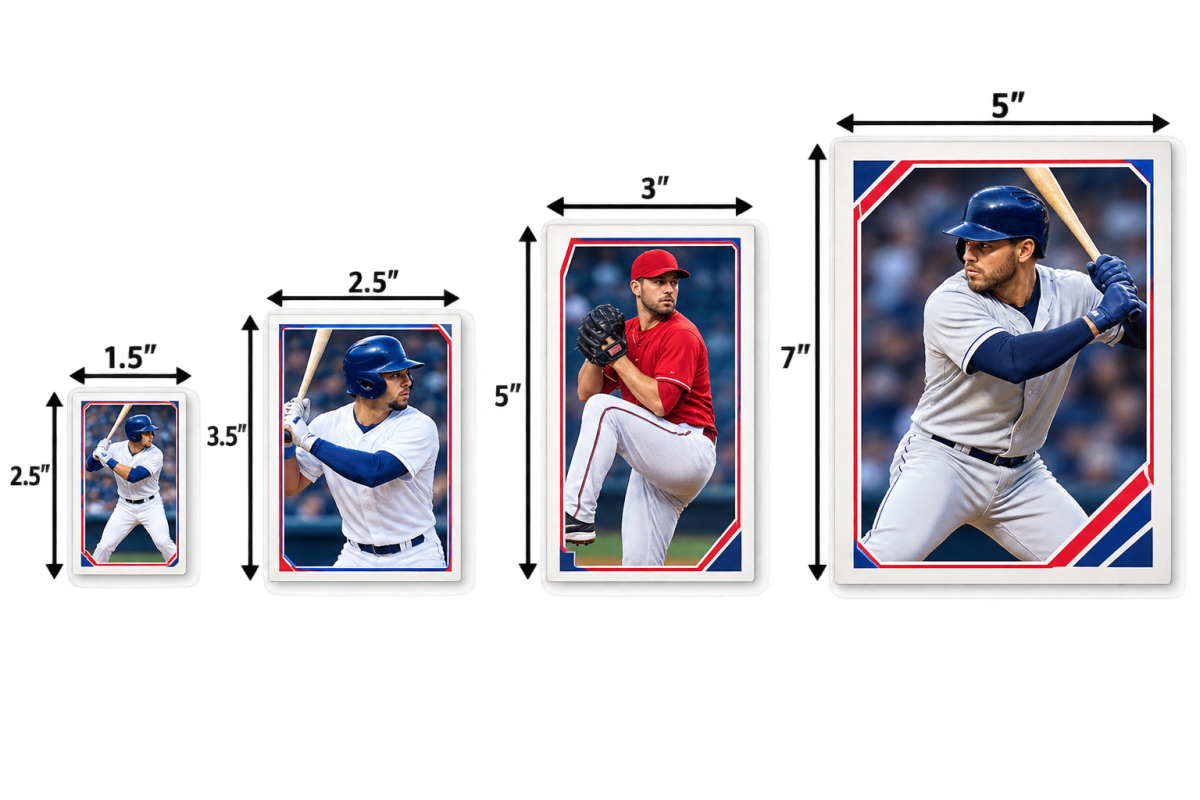
Although the standard size of baseball cards is 2.5 × 3.5 inches, the collector can also find cards in unusual formats. They require specially sized storage and packaging.
Oversized Baseball Cards
Well oversized cards are larger than the regular trading card format. A typical set size is 3 × 5 inches, however specific measurements may vary.
Larger sleeves, holders, and storage boxes may be required for bigger cards due to their increased size.
Mini Baseball Cards
Mini cards are smaller versions of traditional cards. They may measure around 1.5 × 2.5 inches.
Their smaller format gives them a unique appearance and can make them fun additions to a collection. However, standard card sleeves may not provide a proper fit.
Jumbo Baseball Cards
Obviously jumbo cards are much larger than the standard cards and they measure around 5 × 7 inches or more. And jumbo baseball cards are often created for special collections, promotional releases, or premium products. Collectors need customized designed storage and packaging because of their large format.
Baseball Card Size Comparison
| Card Type | Inches | Centimeters | Millimeters |
| Standard Card | 2.5 × 3.5 | 6.35 × 8.89 | 63.5 × 88.9 |
| Oversized Card | 3 × 5 | 7.6 × 12.7 | 76 × 127 |
| Mini Card | 1.5 × 2.5 | 3.82 × 6.35 | 38.2 × 63.5 |
| Jumbo Card | 5 × 7 | 12.7 × 17.8 | 127 × 178 |
How to Choose the Right Packaging for Baseball Cards
The 1st step is to know the baseball card size. Packaging should provide enough space for the cards or any other protective goods you plan to use.
For example, the packaging needs some extra space if the cards are placed inside sleeves or holders before putting them into the box. If a box is made only for the bare card it will not give a comfortable fit.
Things to Consider
When choosing custom packaging, consider:
- Card dimensions
- Protective sleeves
- Number of cards
- Box material
- Printing
- Finishing
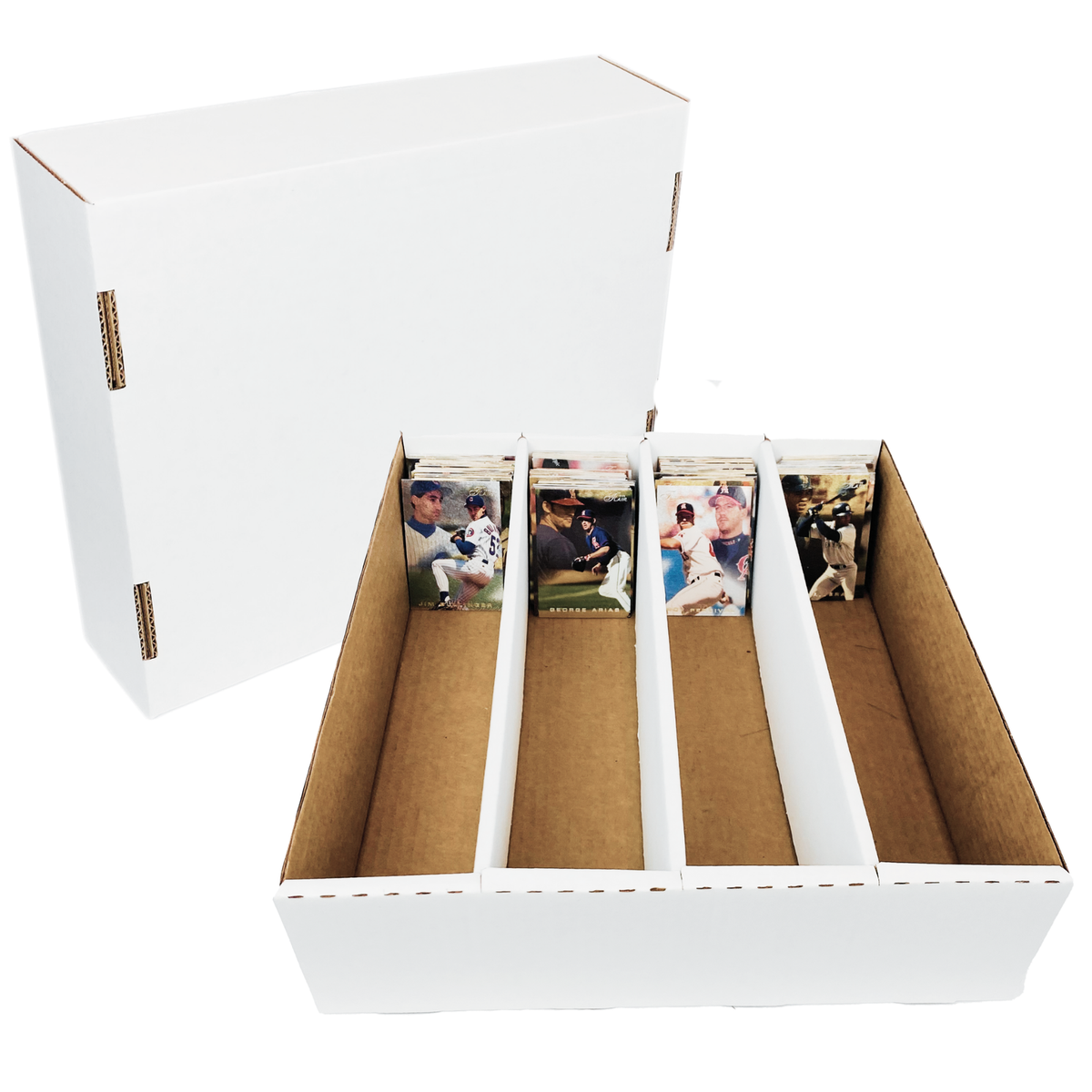
Custom Packaging boxes for Baseball Cards
Custom packaging can make a baseball card collection look more professional while helping protect the cards during storage and shipping. myBoxPrinter can create packaging based on the size and quantity of your cards.
A properly sized box can help prevent unnecessary movement inside the package. This is especially useful when cards are being shipped to customers, collectors, or sports memorabilia fans.
Wrapping Up!
Baseball cards carry memories, history, and real collector value. The correct baseball card size makes it easier to store, display, print, and package the items. The common standard size is 2.5 × 3.5 inches and different card formats require different storage and packaging options.
Whether you are producing standard cards or a unique collector edition, accurate baseball card size dimensions should always be part of your planning. With properly measured cards and well-designed packaging from MyBoxPrinter, you can keep your collection protected while giving it a professional and attractive presentation.

