Companies that make packaging always look for green materials to replace plastic. Because people care more about pollution now, brands want to lower their impact on nature. Glassine paper is a great choice for companies that value the planet.
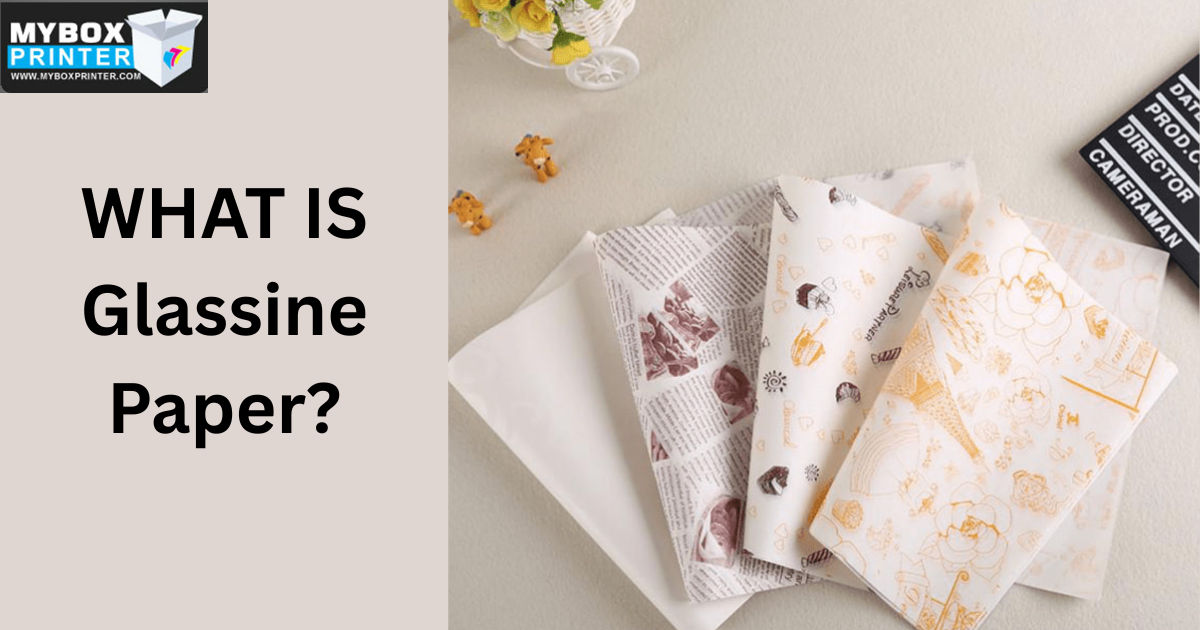
Despite the name, this material has no real glass in it. It is just a special paper made completely from wood pulp. It feels smooth, looks shiny, and is clear enough that you can see objects through it. Because it looks this way, people often mistake it for wax paper, parchment, or plastic.
However, glassine has its own special traits. It has a neutral pH, contains no acid, keeps out moisture, blocks air, and stops grease. Best of all, you can recycle it completely, and it breaks down naturally over time.
The Production Process
To make glassine paper, the manufacturing process started with hardwood trees like oak, aspen, and birch. Paper mills’ machines grind this wood into a fine pulp. After that, the wood fibers and a natural substance called lignin are removed. Lignin is what makes normal paper break easily and turn yellow over time. The process involves removing lignin and ensures that the paper stays strong against all the elements.
After the lignin is gone, the pulp goes through a bleaching process. Workers can add dyes or colors during this step to change the look or type of the paper. To make the paper less clear, factories mix in special minerals. These minerals include clay, titanium oxide, and calcium carbonate.
The Mechanical Finish
The last step to create this smooth paper is the use of a machine with heavy rollers. This step decides the final weight, thickness, and shine of the material.
How the Process Works
The paper travels through a row of heavy, smooth metal tubes. Some of these tubes are very hot, and others are cold. They squeeze the paper with a lot of force. This heavy squeeze flattens the tiny wood pieces inside the sheet.
The Final Product
This process creates a special paper called glassine. Because of the heavy press, the paper becomes shiny, smooth, and clear enough to see through. The process also seals the surface. As a result, grease, air, and water cannot pass through the sheet.
Common Uses for Glassine Paper
Because oil and moisture cannot soak through the surface, people use this material for several specific tasks:
- Food Protection: It works well to wrap greasy foods or line pans for cookies.
- Art Storage: Artists place glassine paper for art between sketches to protect the charcoal or ink from smudges.
- Stamp Collections: Collectors use envelopes made from this material to keep moisture away from rare stamps.
Key Benefits of Glassine
Glassine paper helps many businesses today because it protects products well. It does not contain harmful acids, so it will not damage items over time. It keeps moisture and oil away from the goods inside. Even though it is thin, this paper is tightly packed. This thick structure makes it strong, stiff, and hard to tear when you fold it.
Why Food Businesses Use It
A glassine paper roll makes the paper excellent for wrapping food. It stops grease spots from forming. It also looks clean because customers can see through it slightly. Normal paper needs a thin layer of plastic or wax to block water and grease. This paper does not need extra chemicals or coatings. Because it has no plastic layers, you can throw it in the recycle bin or the compost pile.
Extra Protection for Other Goods
This unique paper protects more than just food. Artists use it to shield charcoal drawings, photographs, and oil paintings from smudge marks. Since it lacks acid, it will not discolor old documents or valuable stamps. Many companies also choose it to pack clothing, candles, and small metal parts to prevent scratches and grease damage.
Comparison with Alternatives
Other clear materials can replace glassine, but each option has specific problems:
- Vellum: This material looks just as clear as glassine, but it is not strong. It tears easily when you pull or stretch it.
- Parchment: This paper handles heat and moisture well. However, the factory treats it with chemicals to make it non-stick, and those chemicals make it impossible to recycle.
- Wax Paper and Cellophane: Ink does not stick well to these materials, so factories cannot easily print custom designs on them. Furthermore, the chemical process to make cellophane harms the environment more than the process to make glassine.
Why Businesses Choose Glassine Paper
Glassine paper lasts a long time and keeps items safe from water and oil. Because it works so well, companies use it for many different things, like food, makeup, and medicine. It gives businesses a dependable choice to pack their products without plastic, which helps them protect the environment.
If you can high quality glassine paper, you can contact MyBoxPrinter for wholesale or bulk purchase.

