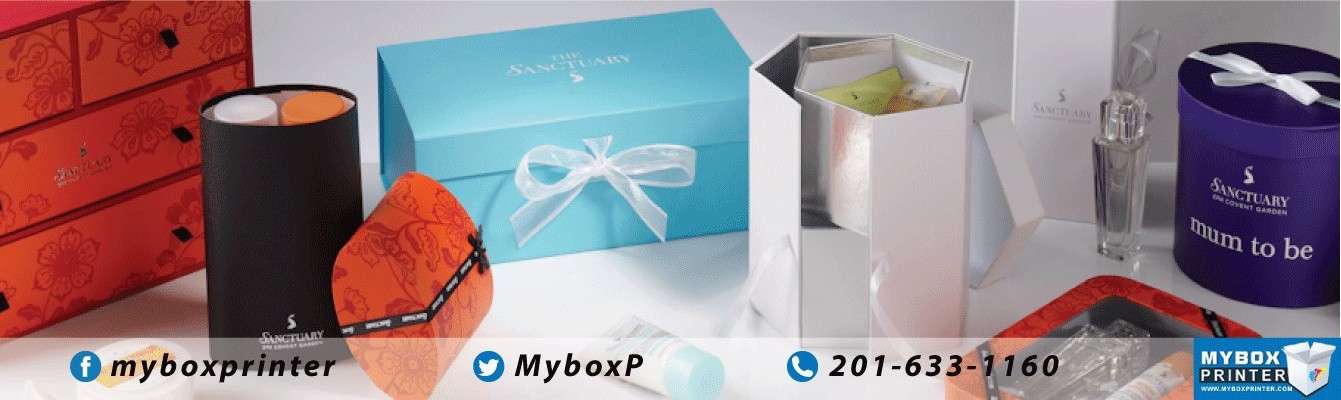

With their professional look, durability, and practicality, custom flip top boxes are a frequently used packaging option. Their attached cover that opens and closes tightly makes them perfect for goods needing simple access and frequent use. Suitable for several sectors, including retail, cosmetics, electronics, food, and luxury products, flip top boxes are expertly constructed to balance visual appeal, safety, and utility.
The engineering of custom printed flip top boxes is a well-planned and balanced combination of material design, product protection, function and aesthetic design. The combination of flattened lids, reinforced side panels and supportive gun barrel bases, coupled with inserts to organize and protect products during transit, all play a major role in providing durability, functionality, and beauty to the final packaging product. Businesses need a sound understanding of the engineering components of flip top boxes before making intelligent packaging decisions to protect their products, promote brand recognition and offer the consumer an outstanding experience.
Core Design of Flip Top Boxes
The essential design elements of a flip top box include a single-piece construction with the lid attached to the main body of the box. In contrast to boxes with removable lids, the lid of a flip top box remains connected to the body of the box throughout its use; this means that users are less likely to lose their lids, and therefore, the ease of accessibility to the contents of a flip top box is much improved. Flip top boxes open from above, with the hinged cover panel folding back onto the rest of the box to expose the contents of the box. While providing a simple yet chic appearance, this coordinated look provides additional structural stability for the box itself.
Front and Side Panels
The main body of the flip top box is the front and side panels, which are vital for stability. These panels are made with precise dimensions to help the cover and safeguard the enclosed item. As with most types of boxes, when products of heavier weight are being carried in a box with a flip top lid, the side panels typically are designed with internal reinforcements to support the weight of the materials that are being carried, thus preventing the box from collapsing. For higher-end boxes and for greater visual appeal, many manufacturers use double-layer panels on the sides of the boxes.
Base and Bottom Structure
Designed for great support and balance, the bottom of a custom flip top box is. The base may have a straight tuck, auto-lock, or crash-lock mechanism depending on the intended application.A well-built foundation shields the goods from impact and enables the box to stand vertically without tilting. Particularly vital for delicate or high-value objects, the bottom panels are meticulously oriented to provide even weight.
Internal Support and Inserts
Many custom flip top boxes include padding, partitions, or inserts among their inner structural features. Designed to hold items securely in place, these parts help to avoid damage and stop movement. Custom-cut inserts precisely match the shape of the product, thereby improving both appearance and protection. For electronics, cosmetics, and luxury goods where product positioning counts, this internal architecture is especially vital.
Material Thickness and Structural Strength
Flip top boxes’ structural performance mostly depends on the material employed. Different levels of strength and flexibility are provided by cardboard, corrugated board, rigid paperboard, and kraft materials. While thinner materials are appropriate for regular retail packaging, heavier goods and premium products call for thicker materials, therefore increasing their longevity. Correct material choice guarantees the box retains its form and works efficiently across its lifespan.
Folding, Scoring, and Assembly Design
The design of custom flip top boxes depends much on accurate scoring and folding. Clean folds are guided by scoring lines, which also stop breaking or ripping throughout construction. These precisely constructed folds preserve sharp edges and a polished look while making the box quick to build. Flat shipping is also aided by effective structural design, therefore lowering warehousing needs and freight expenses.
Customization and Structural Adaptability
One of the main benefits of flip top boxes is their flexibility. The design may be adjusted in height, width, depth, and opening type to fit particular product specifications. The box making may incorporate more elements, including windows, handles, or reinforced edges, without sacrificing usability. This flexibility lets companies design packaging that is both visually unique and physically sturdy.
Comparison of Flip Top Boxes
The design of a flip top box greatly influences the general user experience. A sense of quality and dependability comes from strong panels, a smooth-opening lid, and a tight closure. Custom flip top boxes are sometimes regarded as a superior packaging choice, but when set against other standard box types, they show very clearly their benefits. The following thorough comparison shows why flip top cartons typically outperform other packaging solutions.
Custom Flip Top Boxes vs. Straight Tuck-End Boxes
Straight tuck-end boxes are rather popular since they are easy and inexpensive. Still, their endurance and aesthetics come short against personalized flip top boxes. Offering a sophisticated and interesting unboxing experience, flip-top boxes have attached lids that open gently. Straight tuck-end boxes, in contrast, depend on easy flaps that can become loose over time and perhaps open unexpectedly. Better structural strength also makes flip top boxes more appropriate for high-end or delicate goods.
Custom Flip Top Boxes vs. Two-Piece Rigid Boxes
Although they often cost more and are less practical, two-piece rigid boxes have a rich appearance. Custom flip top boxes provide a comparable premium feel without the greater expense or ungainly bulk. Flip top boxes offer simpler access thanks to their hinged construction, whereas fixed boxes need the entire removal of the lid. This makes flip top boxes more user-friendly and practical for frequent opening and closing while yet preserving an elegant appearance.
Custom Flip Top Boxes vs. Sleeve Boxes
Usually used for lightweight or affordable goods, sleeve boxes are minimalist. Custom flip top boxes give considerably more protection and branding possibilities by comparison. In contrast to flip top boxes, which remain completely sealed, sleeve boxes may be inadvertently opened, allowing access to the contents within them. Additionally, flip top boxes provide much greater printing space on their outer surfaces; therefore, flip top boxes provide a better opportunity to promote a brand visually and tell a story.
Custom Flip Top Boxes vs. Mailer Boxes
Mailer boxes are mostly made for durability, especially in e-commerce and shipping. Although they are great for travel, the custom flip top boxes’ elegance and sophisticated presentation frequently elude them. Due to their tidy opening mechanism and sleek appearance, flip top boxes are more appropriate for gifting and retail display. Flip top boxes present a distinct benefit for companies more concerned with customer experience than only shipping efficiency.
Custom Flip Top Boxes vs. Folding Cartons
Lightweight and reasonably priced, folding cartons are perfect for mass-market goods. Still, custom flip top boxes offer a degree of strength or elegance that they lack. Better at safeguarding valuable or fragile goods, flip top boxes are also stronger. They also have a more tactile quality, which raises product perception and supports premium branding.
Custom Flip Top Boxes vs. Magnetic Closure Boxes
Although magnetic closure boxes are regarded as luxury packaging, they may be heavy and costly. Custom flip top boxes can include magnetic closures if preferred, or use tuck-in flaps to keep expenses down. This flexibility lets companies reach a luxury appearance while managing expenses. Flip top boxes provide similar features with more design flexibility than conventional magnetic boxes.
Benefits of Custom Flip Top Boxes
The following are the perks and benefits of custom flip top boxes.
- Premium and Professional Appearance
Often linked with expensive or luxury items, flip top boxes have a streamlined and elegant appearance. Their well-organized design and simple opening mechanism raise the worth of the products, therefore making them perfect for clothing, electronics, promotional goods, gift goods, and cosmetics.
- User-Friendly and Convenient Design
The hinged top lid makes opening and closing simple without harming the box. Because of their reusability, consumers find flip top boxes wholesale practical, which motivates them to retain and reuse the packaging for storage, hence increasing brand recognition.
- Superior Product Protection
Typically built from strong materials including rigid cardboard, kraft, or corrugated stock, custom flip top boxes’s often made. These boxes also provide excellent protection from dust, moisture, and physical damage while being utilized for storage, shipping, and handling. In addition, fragile/delicate products can be held securely within the box in additional inserts or cushions.
- Versatility Across Industries
Their adaptability is among the main advantages of bespoke flip top boxes. Cosmetics, medicine, electronics, food products, apparel, jewelry, and corporate gifting are among the fields in which they are quite well used. The form, size, and internal structure can be customized for many different products.
- Cost-Effective Marketing Tool
Packaging is a silent salesman. Custom flip top boxes allow products to be advertised without incurring extra marketing expenses. Good packaging improves shelf appeal, draws in customers, and affects buying decisions- all of which provide long-term marketing value.
- Better Customer Experience
Well-made flip top boxes enable a good unboxing experience. A sleek opening mechanism, solid closure, and lovely interior design arouse exhilaration and contentment, hence enhancing the chances of frequent buys.
- Rise in Sales and Product Value
Consumer perceptions are affected by lovely and useful packaging. Custom flip top boxes improve product display by giving goods more worth and desirability. Higher sales and increased consumer loyalty usually follow from this.
Last Wording
Custom flip top boxes are more than just packaging; they provide companies with a durable and practical packaging option that visually distinguishes their products in crowded markets and enhances customer experience through customized graphics and colours. They can also contribute to an overall positive perception of the brand and provide added value in helping to build loyalty with customers. The customisation of these type of boxes has the potential to significantly increase sales.
Bespoke flip top packaging boxes provide the ideal blend of functionality, durability, cost-effectiveness, and luxury presentation when set against other box kinds. While providing a more practical and inexpensive option to rigid and magnetic closure boxes, they outperform straight tuck-end, sleeve, and folding cartons in terms of protection and branding. Custom flip top boxes are a great and adaptable option for companies searching for elegant packaging that improves the unboxing experience and stays simple to utilize. MyBoxPrinter is the most trusted and site to order affordable and customised flip top boxes.

